


Ramadan, just like Christmas, has become a season of increased consumerism - whether it’s to prepare the home, cook special meals, or find Eid al-Fitr gifts for loved ones. With the adjustment of routines around eating and sleeping, also comes an adjustment in shopping patterns and an openness to exploring new brands.
As such, it is important for Ecommerce businesses to note the key differences that set Ramadan apart from the rest of the retail year. These include having a deeper understanding of consumer behavior, particularly, category preferences, purchasing frequency, digital propensity and so on.
In this piece, we have outlined 4 key trends to help you design your Ramadan marketing plan:
-
Frictionless Multichannel CX is key
-
Customer interaction is greatest on socials
-
Creators and influencers catalyze purchases
-
Cross-border discoveries are on the rise
The Trends
1. Frictionless Multichannel CX is key
With multiple brands at their fingertips, customers grow impatient and demanding during Ramadan. As such, you need to proactively reach your customers where they are. As a matter of fact, brands that stay silent during Ramadan risk reducing their brand awareness by 39%.
Basically, it is now more important than ever to leverage multichannel solutions. To put in numbers, 72% of consumers expect to get in touch with brands across a variety of platforms - starting from social media to messaging apps.
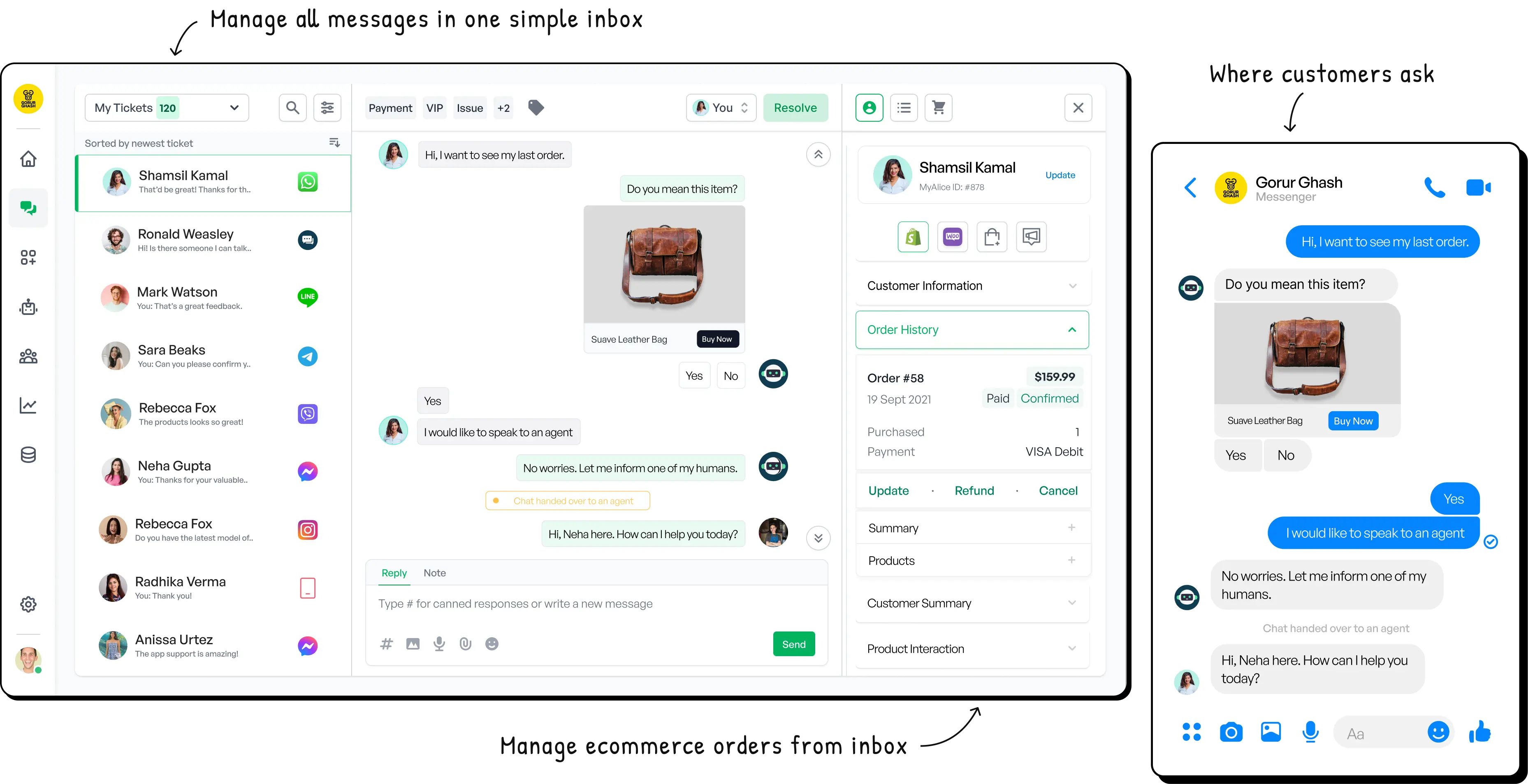
If this sounds like too much work, worry not - Revora is here to help. You can connect all your customer-facing channels to a unified inbox. This can help you gain a thorough understanding of your customer while giving them a tailored experience.
Now, let’s glance at a few more factors that you perhaps already know about.
User Friendly Website
If surfing your website is as tough as piloting a ship through the fog, your usability is poor. And with a goldfish’s attention span, buyers will waste little time figuring out your interface.
So, make your website easy to navigate. Look into user interaction and user experience while designing a website.
Navigation & Site Search
While shopaholics enjoy spending hours exploring a site, the majority of people do not. Most people want to find what they are looking for within two or three clicks. If they are unable to do so, they will soon be heading somewhere else.
Back in 2000, a study conducted by Nielsen Norman Group revealed that
-
Shoppers wanted a clear and visible search box on every page
-
They wanted the simplest possible search: one search box and one search button
-
They wanted to search for non-product terms e.g. free returns, exchange, etc.
Customer support
Customer support is essential both during the website visit and post-sales period. Prompt response, live chat and chatbots are few important factors of efficient customer support. In fact, over 50% of customers prefer to communicate with chatbots before reaching customer representatives.
By using Revora bot, you can speed up response times and guarantee that clients receive contextual responses at every point of their journey. In the MENA region, 82% of Ramadan shoppers mostly use their smartphones for searching products online. And to guide them through these searches, chatbots can play a crucial role.
Check out and Payment Gateway
The sale isn’t successful until the customer pays. A check-out system must be simpler and easy to navigate, as most customers tend to withdraw from the purchase if they find the final process too complicated for them.
Remember, 83% of cross-border shoppers made serendipitous discoveries while shopping during Ramadan in 2022. However, only 61% of those purchases were made seamlessly.
That is, only a frictionless purchase journey can lead to higher conversions.
2. Customer interaction is greatest on socials
During Ramadan and in the period leading up to it, people tend to be more open to new products and brands. This discovery occurs both offline and online, with social media playing a key role.
!
Source: Meta
And a majority of these shoppers have derived the inspiration for their purchases from WhatsApp - a staple platform among 90% of internet users in the Middle East.
!
Source: Meta
And when it comes to selling your business in the world of social media, influencers are your go-to. As the chart shows, if your business can forge a connection with an influencer, you’ve won half the battle.
!
Source: Meta
3. Creators and influencers are the new cool
As mentioned previously, for festive seasons like Ramadan, influencer marketing can be a worthwhile investment. 76% of shoppers trust the content provided by “regular people” rather than brands.
And this is no longer exclusive to Facebook and Instagram. With new trends like #TikTokMadeMeBuyIt on TikTok, it has already become a key component of holiday influencer campaigns.
!
Source: Meta
The perks of onboarding creators don’t stop here, though.
Shoppers seek for influencers’ reviews even when making international purchases.
!
Source: Meta
4. Cross border discoveries are on the rise
The evolution of e-commerce has blurred the lines between local and global shopping—making it much easier to access products and services across borders.
In fact, consumers are spending more on cross-border items as 55% indicate they are more likely to purchase from abroad during the Holy Month, as reported by Meta.
!
Source: Meta
And in terms of category, consumers in the UAE purchase fashion products followed by Electronic and designer goods from abroad.
!
Source: Meta
This creates a unique opportunity for businesses to reach cross-border shoppers—and Revora can help businesses target those audiences. With Revora, you can learn about your user demographics and their online behavior to develop data-driven customer profiles.
Over to you
Ramadan is a global event celebrated by a quarter of the world’s population. And brands can capitalize on this huge community of shoppers by enabling easier discovery, reducing purchase friction and leveraging influencers.